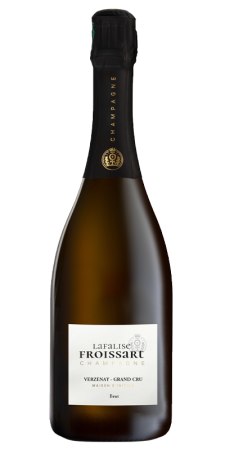
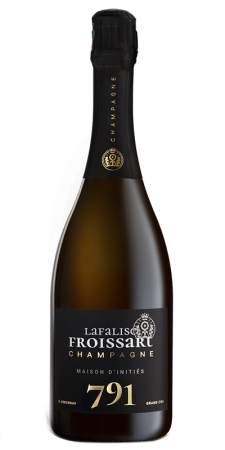
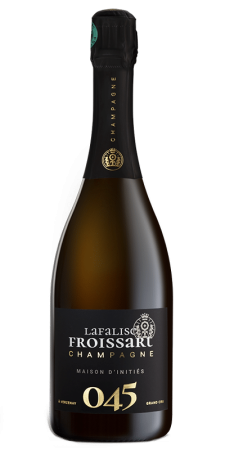
40 plots, 40 personalities — a national exclusive for Italy.
– MONTAGNE DE REIMS
Lafalise-Froissart
40 plots, 40 personalities. A national exclusive for Italy.
Lafalise-Froissart is a Champagne House located in the heart of Verzenay, on the Montagne de Reims. Its lineage roots back to the French Revolution: every family that has shaped this history has contributed to the estate with a savoir-faire intrinsically bound to the vine.
Lafalise-Froissart is a Champagne House located in the heart of Verzenay, on the Montagne de Reims. Its lineage roots back to the French Revolution: every family that has shaped this history has contributed to the estate with a savoir-faire intrinsically bound to the vine.
Charles Chauvet was the first to leave his signature on this history: in 1885, he purchased twenty-seven acres of vines in Verzenay, giving rise to a small family vineyard. Paul Chauvet, born in 1902, was a man of calculated risks, and the future would prove him right. By 2008, Danielle Lafalise was at the helm of the family business, supported by her husband Dominique Froissart. Together, trained by Jacques and Marie-Thérèse, they managed the family’s Grand Cru vineyard, spread across Verzy and Verzenay. Knowledge and ambition were passed down to their son Paul Froissart, who took over the reins in 2015. Paul embarked on an ambitious project aimed at reviving the family expertise: Champagne Lafalise-Froissart was reborn in 2019. Today, he continues, brick by brick, the work of the five generations before him.
Five generations, one family name.
Charles Chauvet was the first to leave his signature on this history: in 1885, he purchased twenty-seven acres of vines in Verzenay, giving rise to a small family vineyard. Paul Chauvet, born in 1902, was a man of calculated risks, and the future would prove him right. By 2008, Danielle Lafalise was at the helm of the family business, supported by her husband Dominique Froissart. Together, trained by Jacques and Marie-Thérèse, they managed the family’s Grand Cru vineyard, spread across Verzy and Verzenay. Knowledge and ambition were passed down to their son Paul Froissart, who took over the reins in 2015. Paul embarked on an ambitious project aimed at reviving the family expertise: Champagne Lafalise-Froissart was reborn in 2019. Today, he continues, brick by brick, the work of the five generations before him.
Five generations, one family name.
Forty plots, forty personalities.
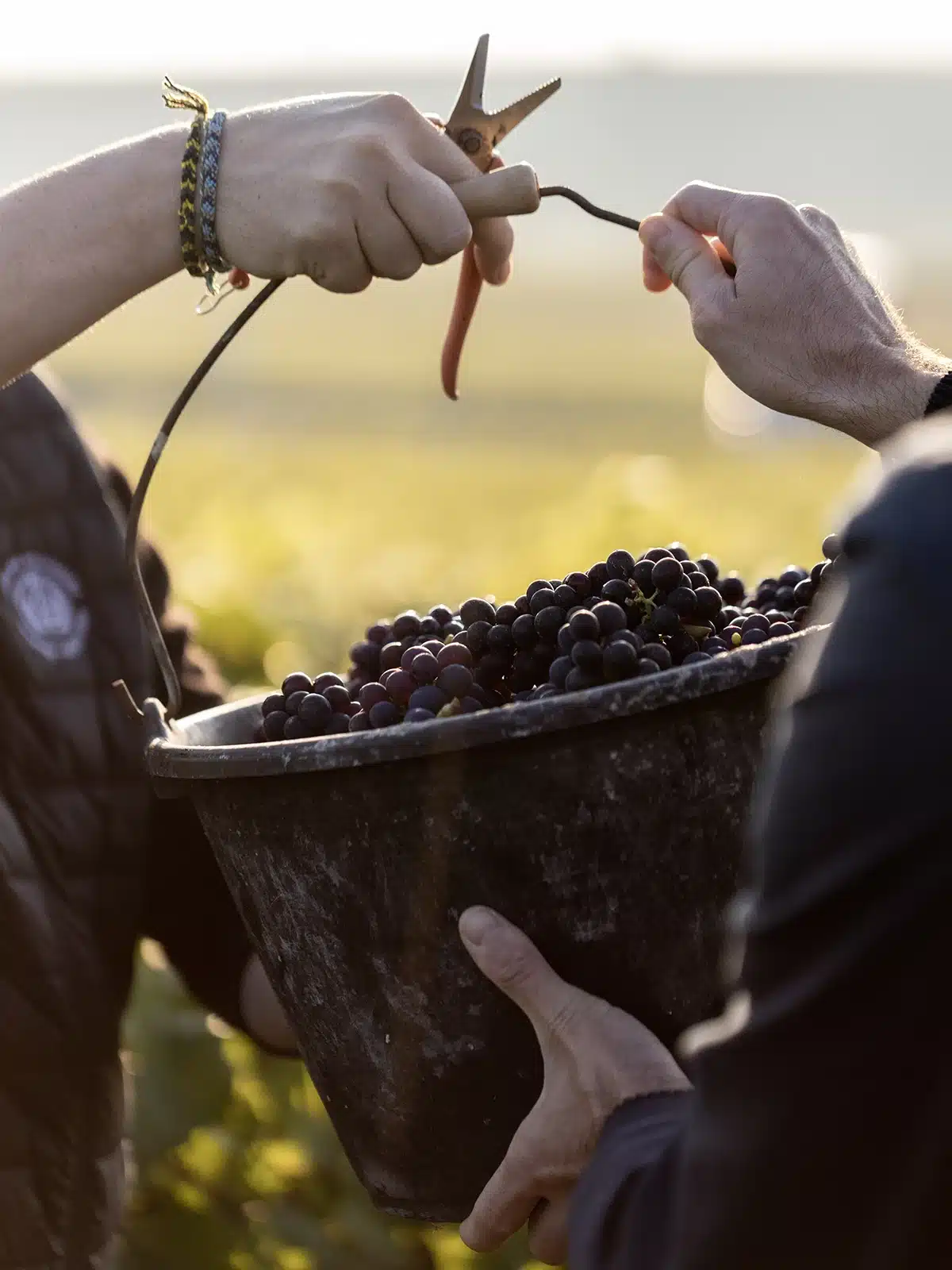
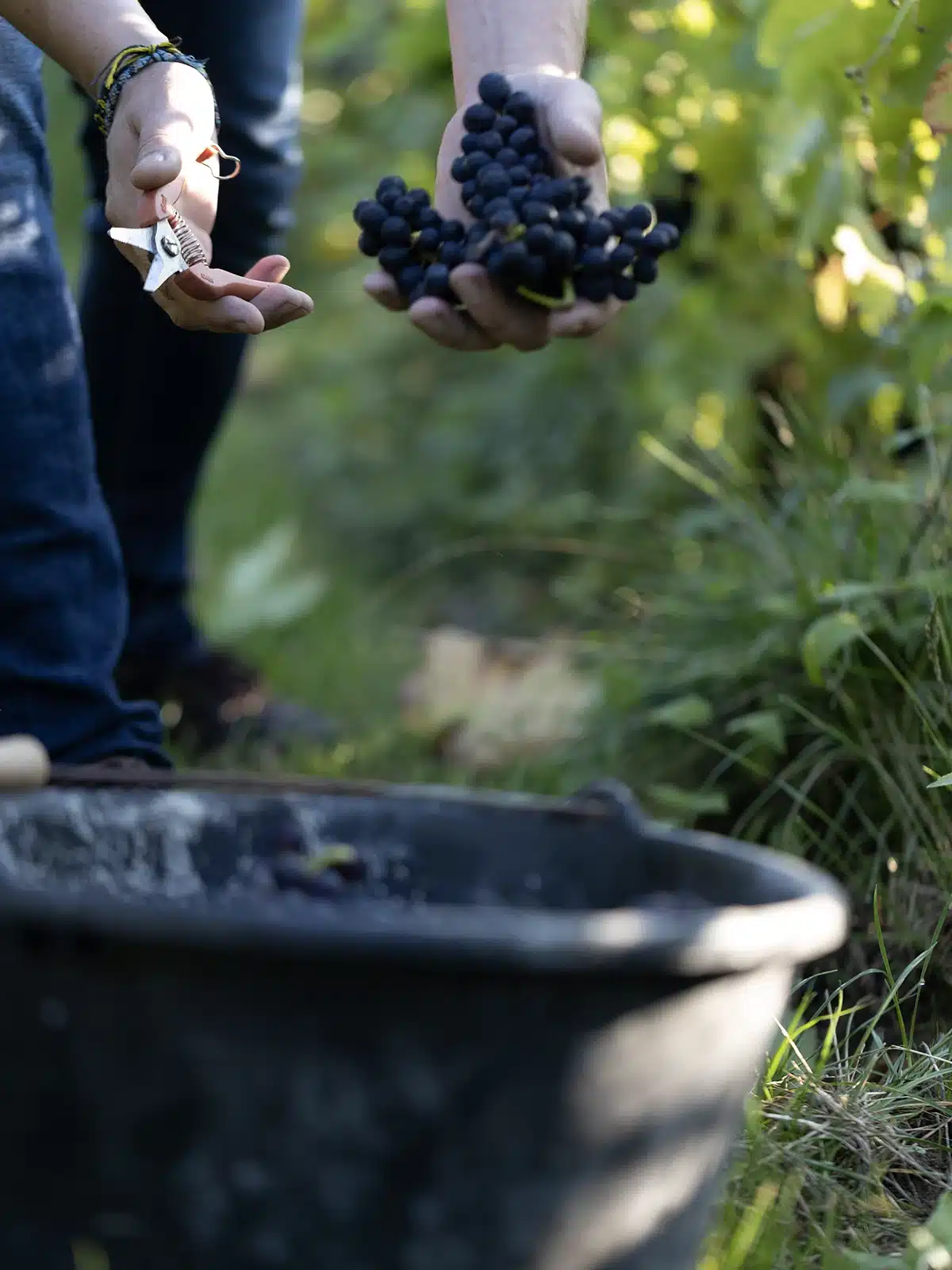
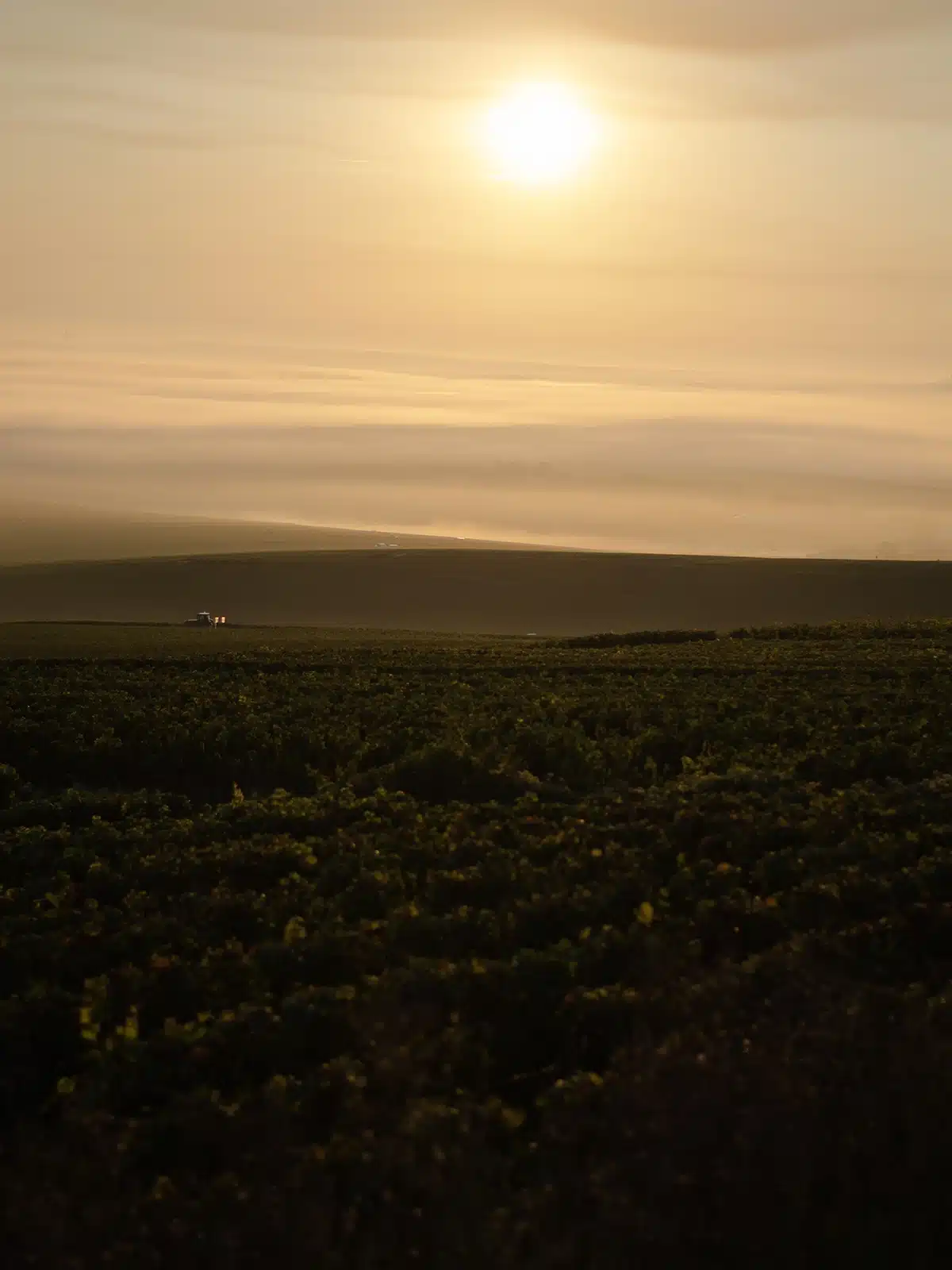
The Lafalise-Froissart vineyard is spread across Verzenay, Verzy, and Dizy, spanning a variety of soils and subsoils. Each geological layer imparts specific characteristics to the vines and grapes. Here, the winemaker’s task is to safeguard the balance: reading between the rows, recognizing the terroir, and letting it express itself in the glass. Pinot Noir is the region’s signature grape variety, making up eighty percent of the Lafalise-Froissart vineyard. The soils of Verzenay and Verzy endow it with a fragrance, aroma, and style that are truly unique in the world.
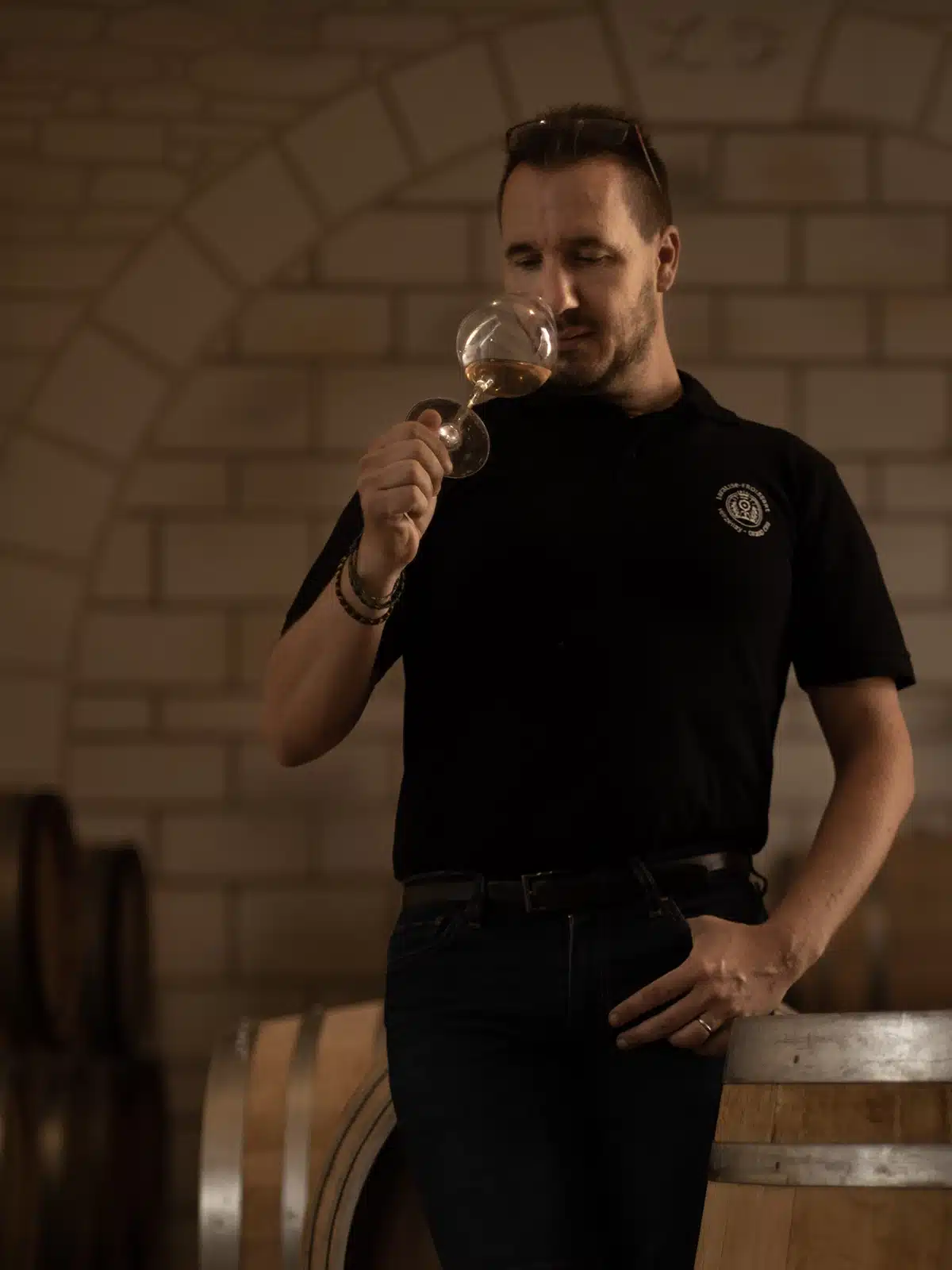
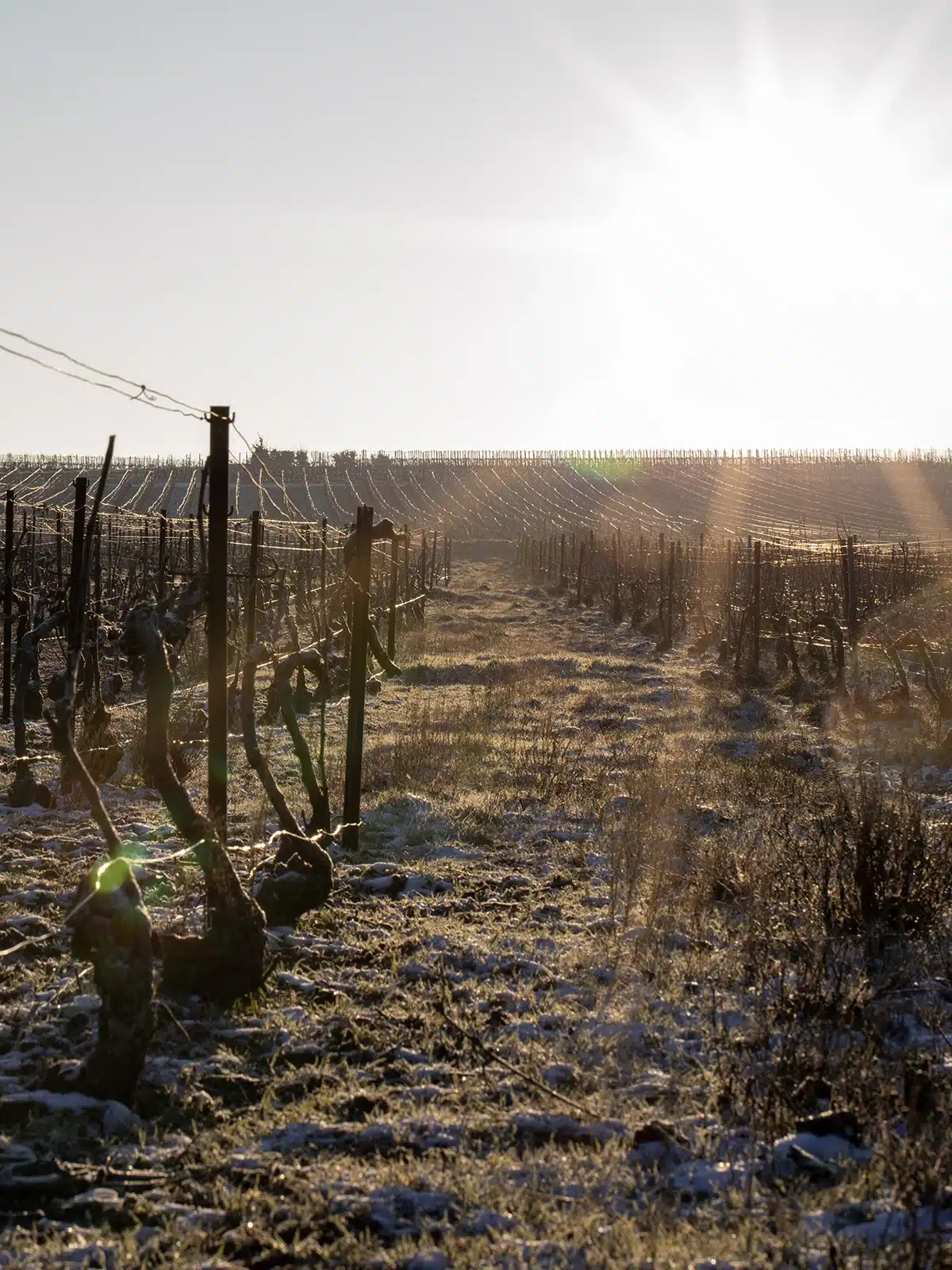
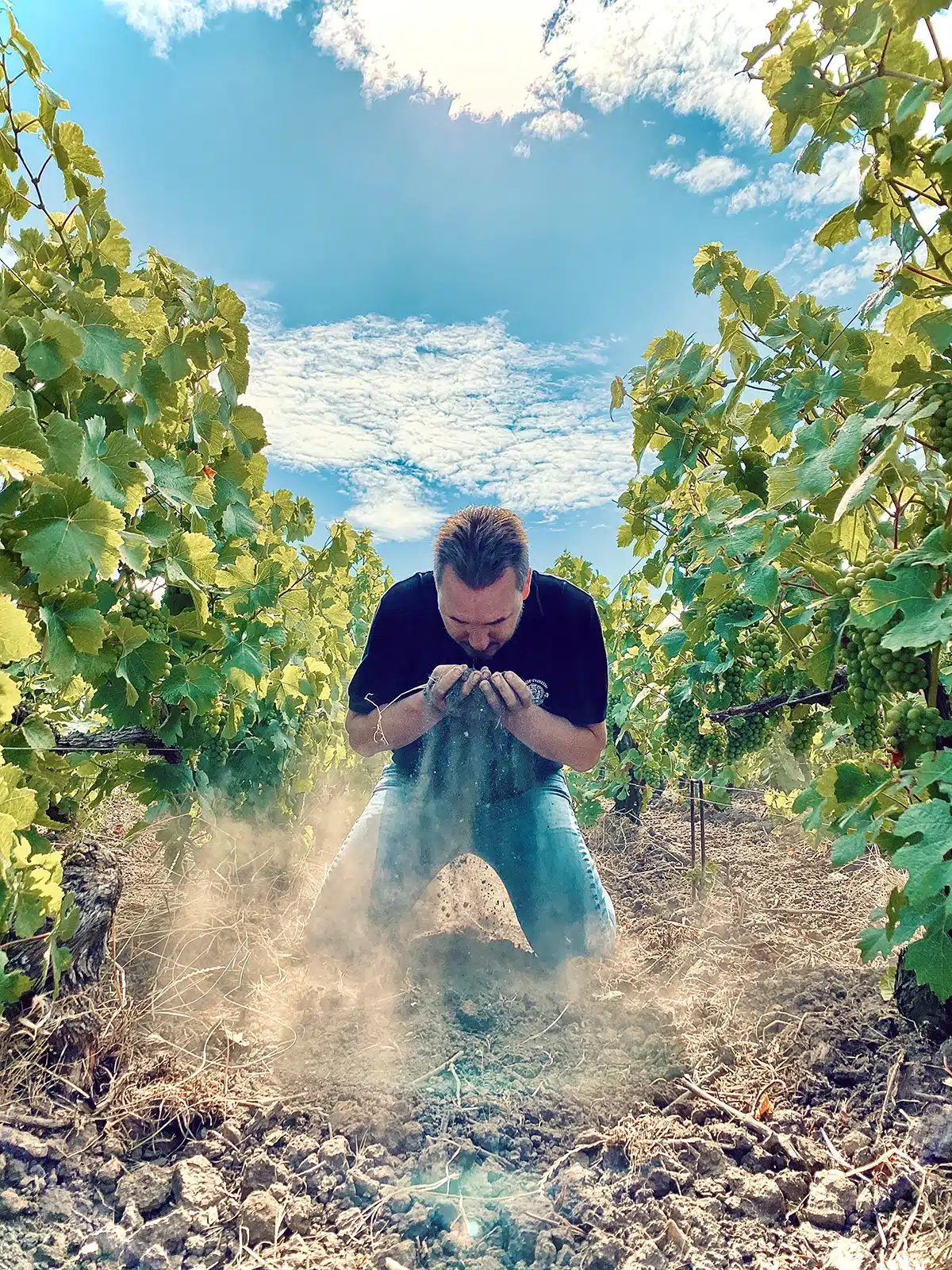
Chardonnay, making up the remaining twenty percent, is rounder here than elsewhere in Champagne: it is often called “pinot” due to its subtle affinities with Pinot Noir, mirroring its striking fruitiness in tone. The soil composition lends it a touch of richness and exoticism, without ever compromising the freshness typical of the variety. Each plot is vinified separately. Work is frequently carried out using indigenous yeasts; fermentation and aging take place either in stainless steel or in oak barrels—which are never new, a deliberate choice to avoid overpowering the fruit with excessive woody notes. Aging on the lees, first in barrel and then in the bottle, is extended to no less than twenty-four months and is prolonged even further for the main cuvées. For certain labels, a perpetual reserve (Solera) system is used, ensuring stylistic continuity and depth. Paul Froissart favors natural, environmentally friendly techniques: the vineyards have now thrived for nearly five years without weedkillers. Grass cover between the rows restores life to the soil and its organisms, while shallow plowing renews the plant cover and preserves oxygenation. A long-term vision: leaving future generations an intact land, ready to carry on.
Forty plots, forty personalities.
The Lafalise-Froissart vineyard is spread across Verzenay, Verzy, and Dizy, spanning a variety of soils and subsoils. Each geological layer imparts specific characteristics to the vines and grapes. Here, the winemaker’s task is to safeguard the balance: reading between the rows, recognizing the terroir, and letting it express itself in the glass. Pinot Noir is the region’s signature grape variety, making up eighty percent of the Lafalise-Froissart vineyard. The soils of Verzenay and Verzy endow it with a fragrance, aroma, and style that are truly unique in the world.
Chardonnay, making up the remaining twenty percent, is rounder here than elsewhere in Champagne: it is often called “pinot” due to its subtle affinities with Pinot Noir, mirroring its striking fruitiness in tone. The soil composition lends it a touch of richness and exoticism, without ever compromising the freshness typical of the variety. Each plot is vinified separately. Work is frequently carried out using indigenous yeasts; fermentation and aging take place either in stainless steel or in oak barrels—which are never new, a deliberate choice to avoid overpowering the fruit with excessive woody notes. Aging on the lees, first in barrel and then in the bottle, is extended to no less than twenty-four months and is prolonged even further for the main cuvées. For certain labels, a perpetual reserve (Solera) system is used, ensuring stylistic continuity and depth. Paul Froissart favors natural, environmentally friendly techniques: the vineyards have now thrived for nearly five years without weedkillers. Grass cover between the rows restores life to the soil and its organisms, while shallow plowing renews the plant cover and preserves oxygenation. A long-term vision: leaving future generations an intact land, ready to carry on.