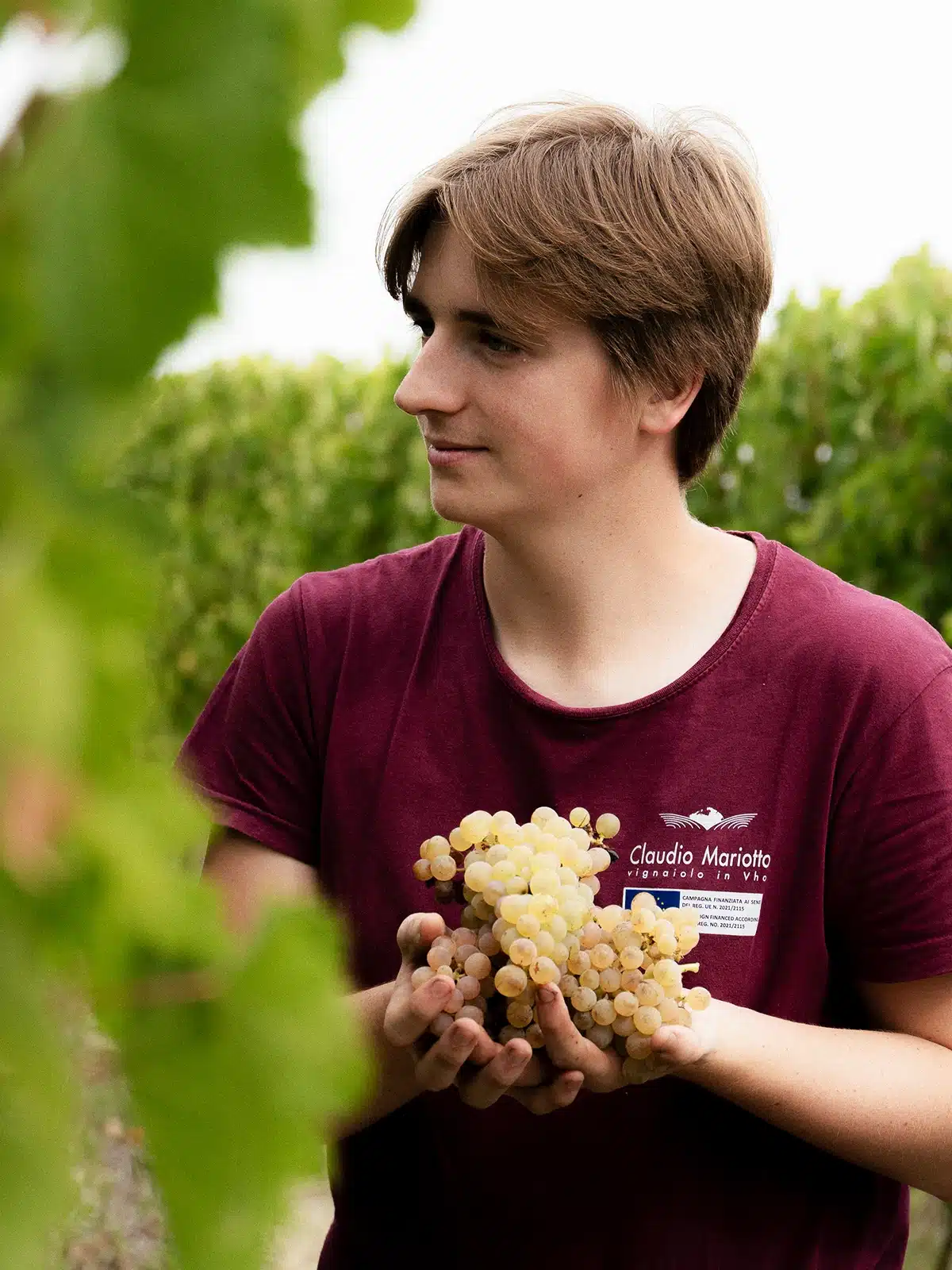
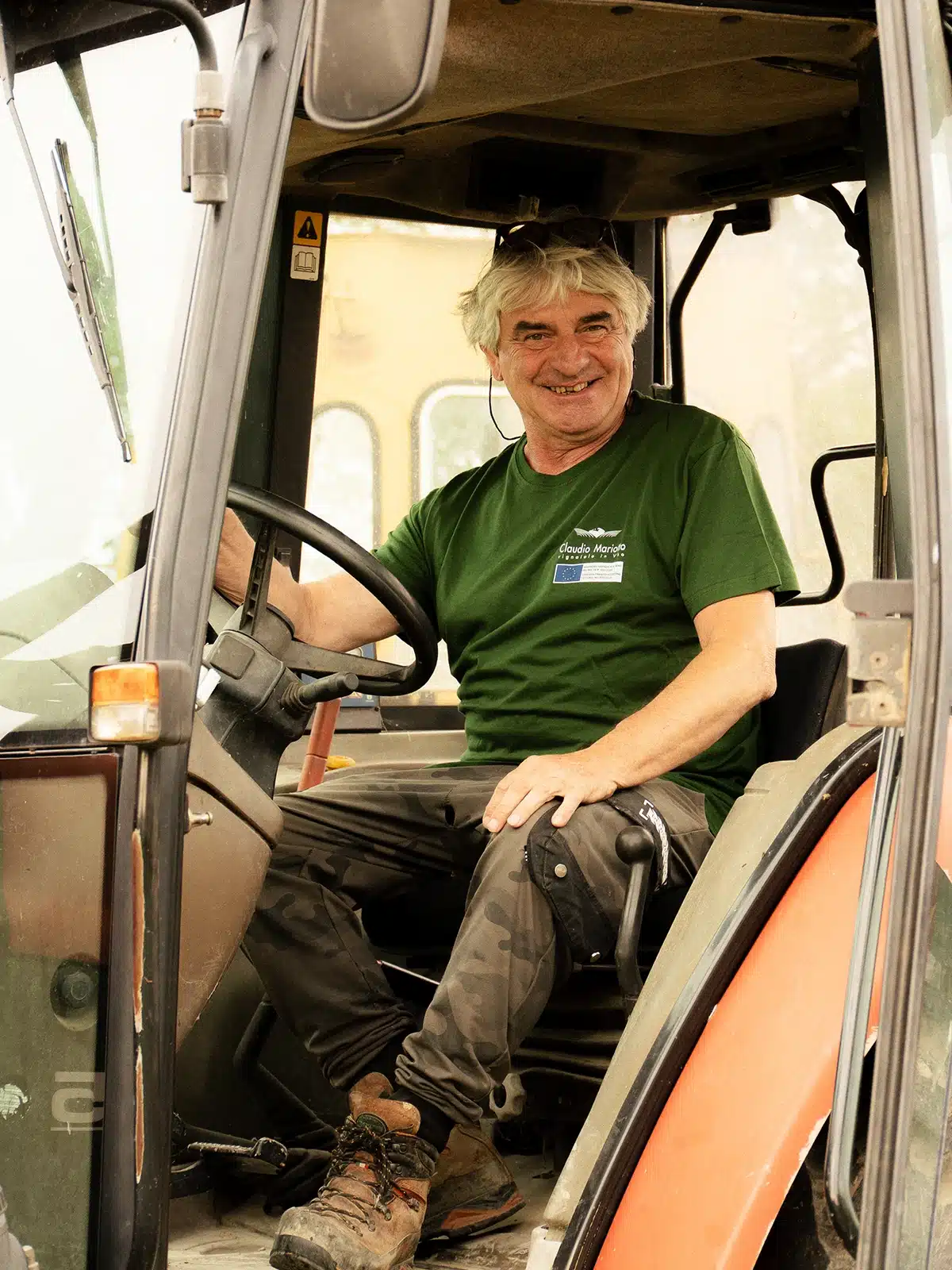
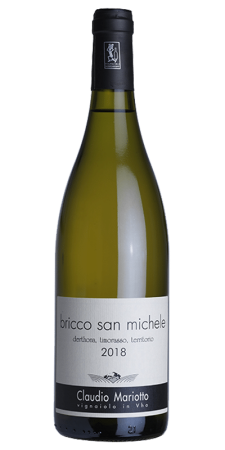
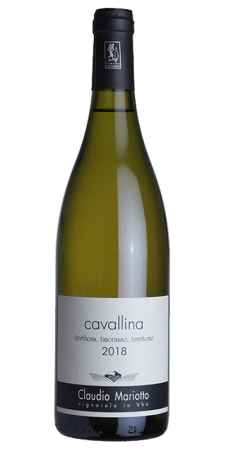
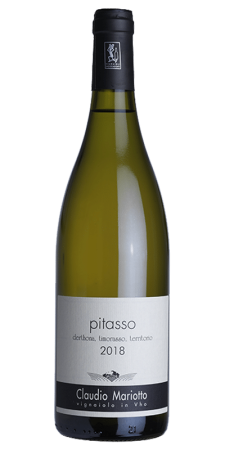
Founded in 1921 by great-grandfather Bepi and carried forward by grandfather Salvatore and father Oreste, the winery is led today by Claudio, alongside his son Filippo. Four generations dedicated to Piedmontese winemaking.
Founded in 1921 by great-grandfather Bepi and carried forward by grandfather Salvatore and father Oreste, the winery is led today by Claudio, alongside his son Filippo. Four generations dedicated to Piedmontese winemaking.
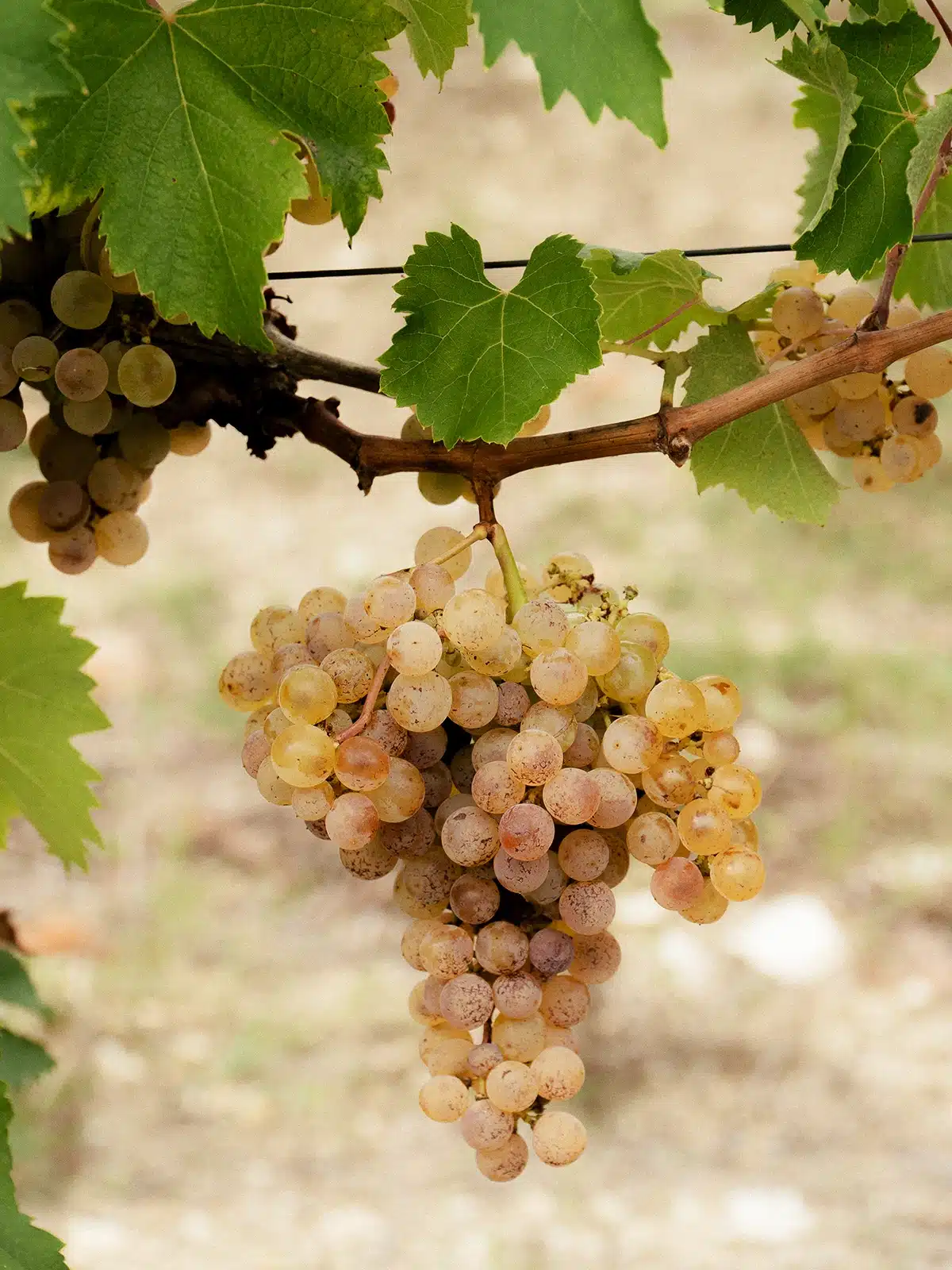
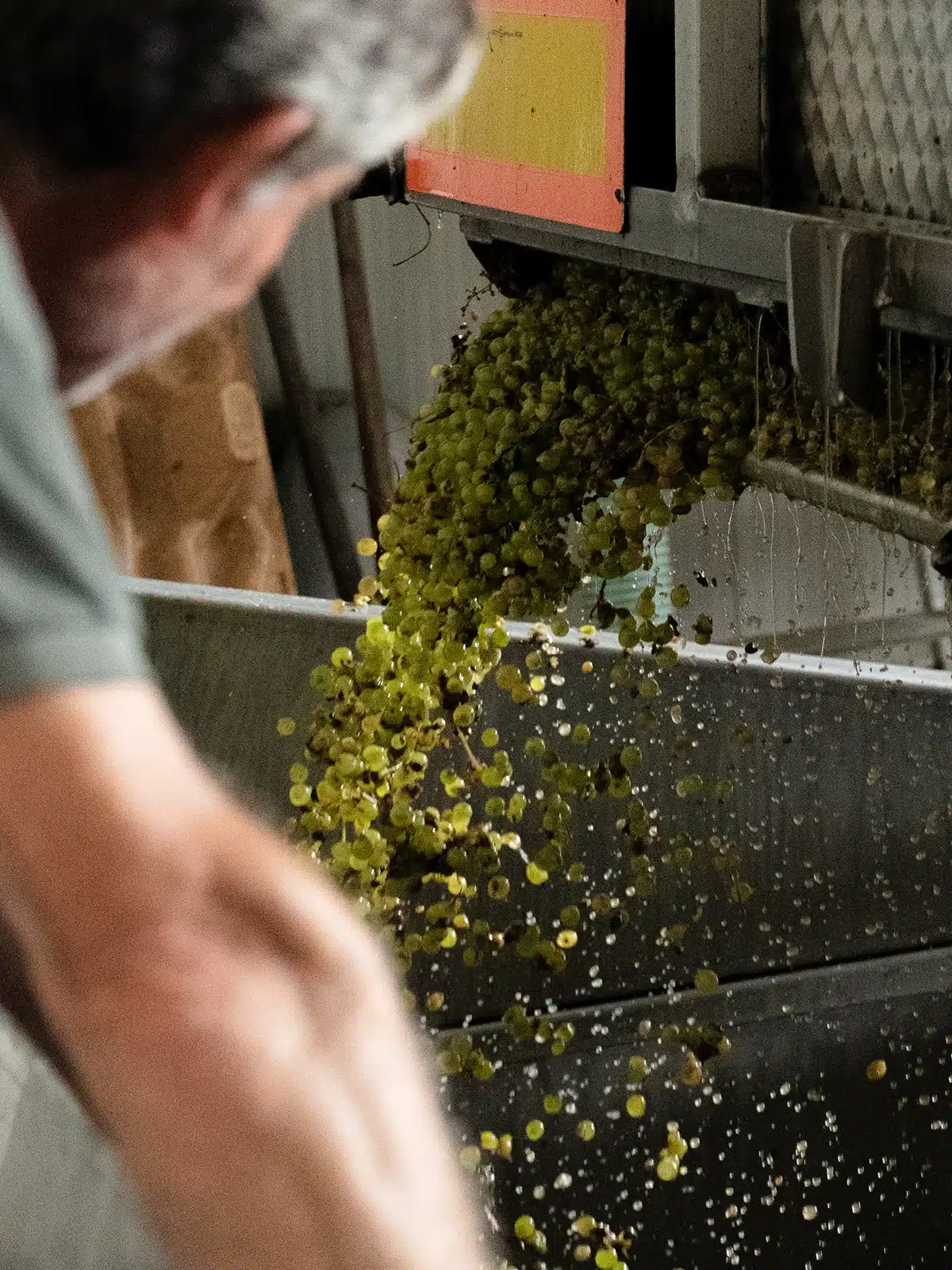
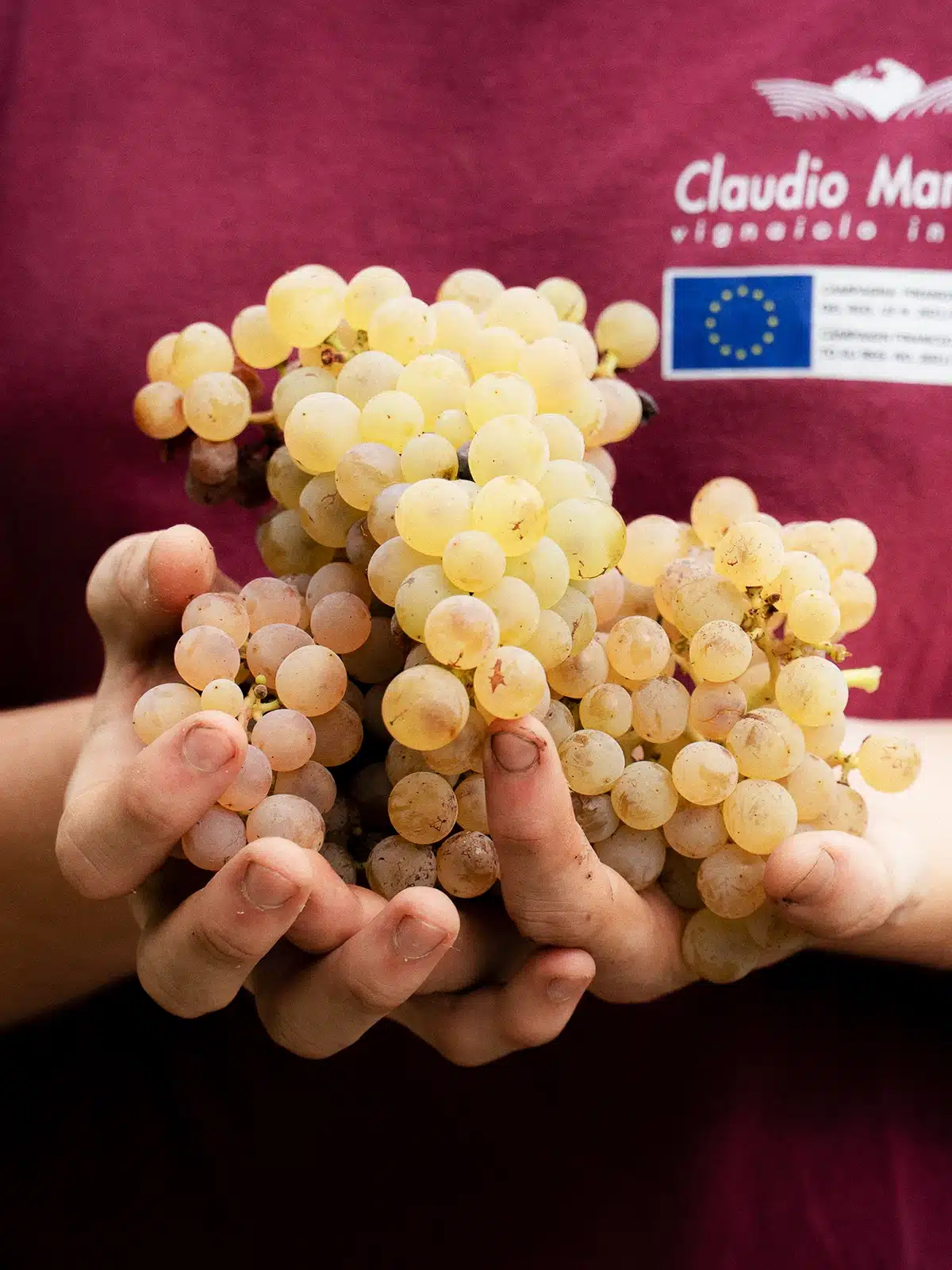
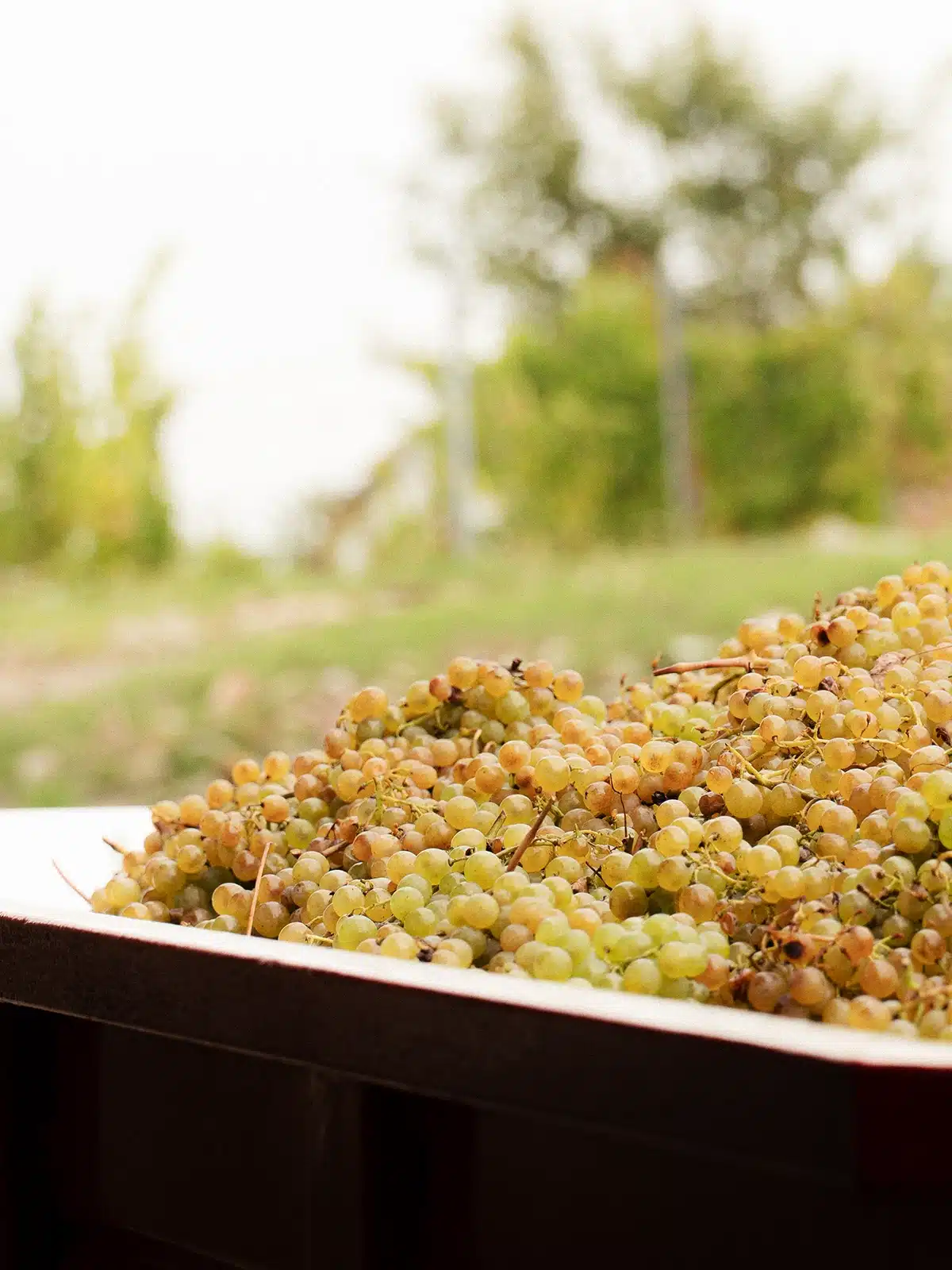
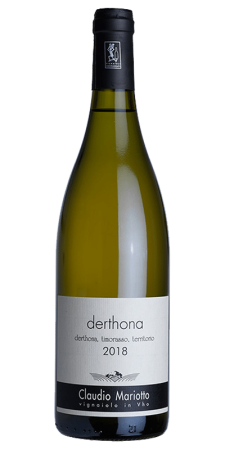
The Claudio Mariotto estate spans fifty-four hectares of vineyards between Vho and the municipality of Sarezzano, in the heart of the Colli Tortonesi. In the early 1990s, alongside a handful of other local winemakers, Claudio Mariotto placed his trust in a native grape variety that had been virtually abandoned: Timorasso. That wager — stubborn and out of step with the times — helped revive one of Italy’s greatest age-worthy white wines. The Colli Tortonesi have a historic vocation for viticulture, with vine cultivation documented since Roman times. Their unique character stems from their geographical location, on the border between Piedmont, Lombardy, Emilia-Romagna, and Liguria. The hamlet of Vho — nestled on the first hills behind Tortona — enjoys a favorable microclimate: the vineyards are sheltered by the Apennines, face the Po Valley, and are influenced by the proximity of the sea, just sixty kilometers away as the crow flies. The vines are cultivated at altitudes ranging between 150 and 400 meters.
A border terroir.
The Claudio Mariotto estate spans fifty-four hectares of vineyards between Vho and the municipality of Sarezzano, in the heart of the Colli Tortonesi. In the early 1990s, alongside a handful of other local winemakers, Claudio Mariotto placed his trust in a native grape variety that had been virtually abandoned: Timorasso. That wager — stubborn and out of step with the times — helped revive one of Italy’s greatest age-worthy white wines. The Colli Tortonesi have a historic vocation for viticulture, with vine cultivation documented since Roman times. Their unique character stems from their geographical location, on the border between Piedmont, Lombardy, Emilia-Romagna, and Liguria. The hamlet of Vho — nestled on the first hills behind Tortona — enjoys a favorable microclimate: the vineyards are sheltered by the Apennines, face the Po Valley, and are influenced by the proximity of the sea, just sixty kilometers away as the crow flies. The vines are cultivated at altitudes ranging between 150 and 400 meters.