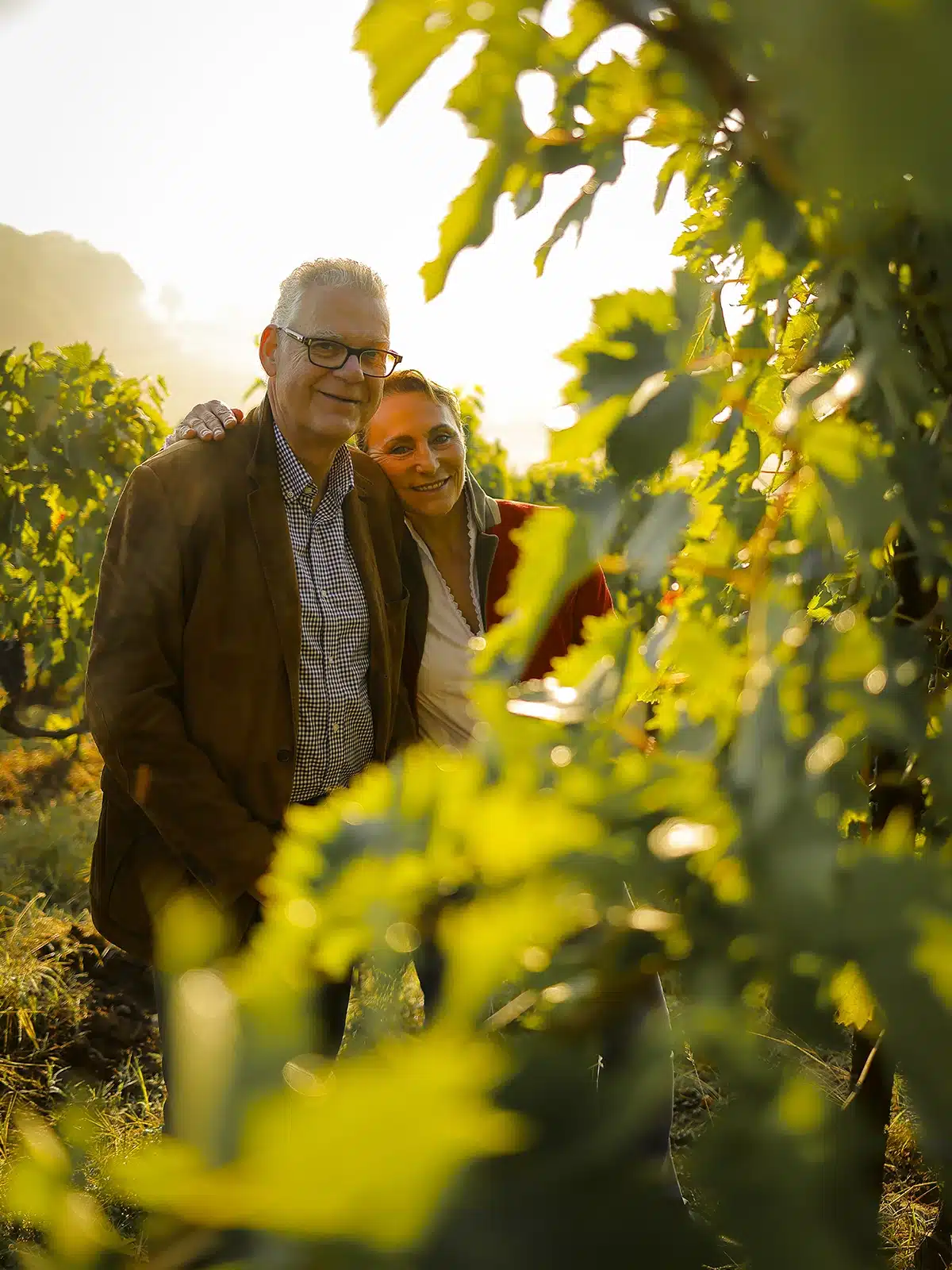
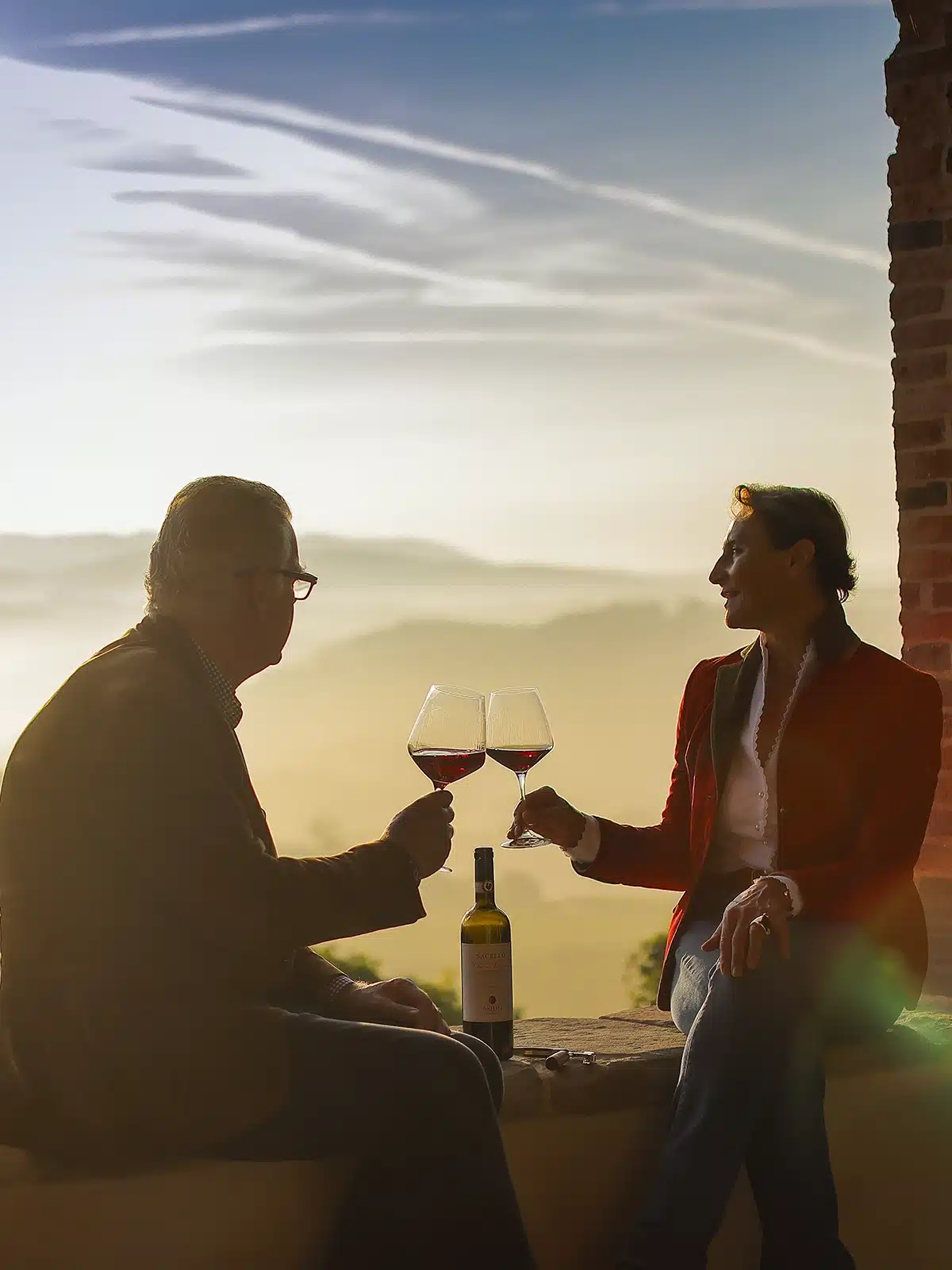
The Tuscan Theorem is the triangle that encompasses Arillo’s three estates across three premier winemaking regions: Chianti Classico, Maremma, and Val d’Orcia. In 2019, the history of Terrabianca became intertwined with that of the Italian-Swiss Burkard family. With the acquisition of the Terrabianca and Il Tesoro estates, Adriana and Urs reshaped the winery’s destiny, launching a project deeply rooted in Tuscan winemaking history and designed to become a contemporary model of an eco-sustainable estate.
The Tuscan Theorem is the triangle that encompasses Arillo’s three estates across three premier winemaking regions: Chianti Classico, Maremma, and Val d’Orcia. In 2019, the history of Terrabianca became intertwined with that of the Italian-Swiss Burkard family. With the acquisition of the Terrabianca and Il Tesoro estates, Adriana and Urs reshaped the winery’s destiny, launching a project deeply rooted in Tuscan winemaking history and designed to become a contemporary model of an eco-sustainable estate.
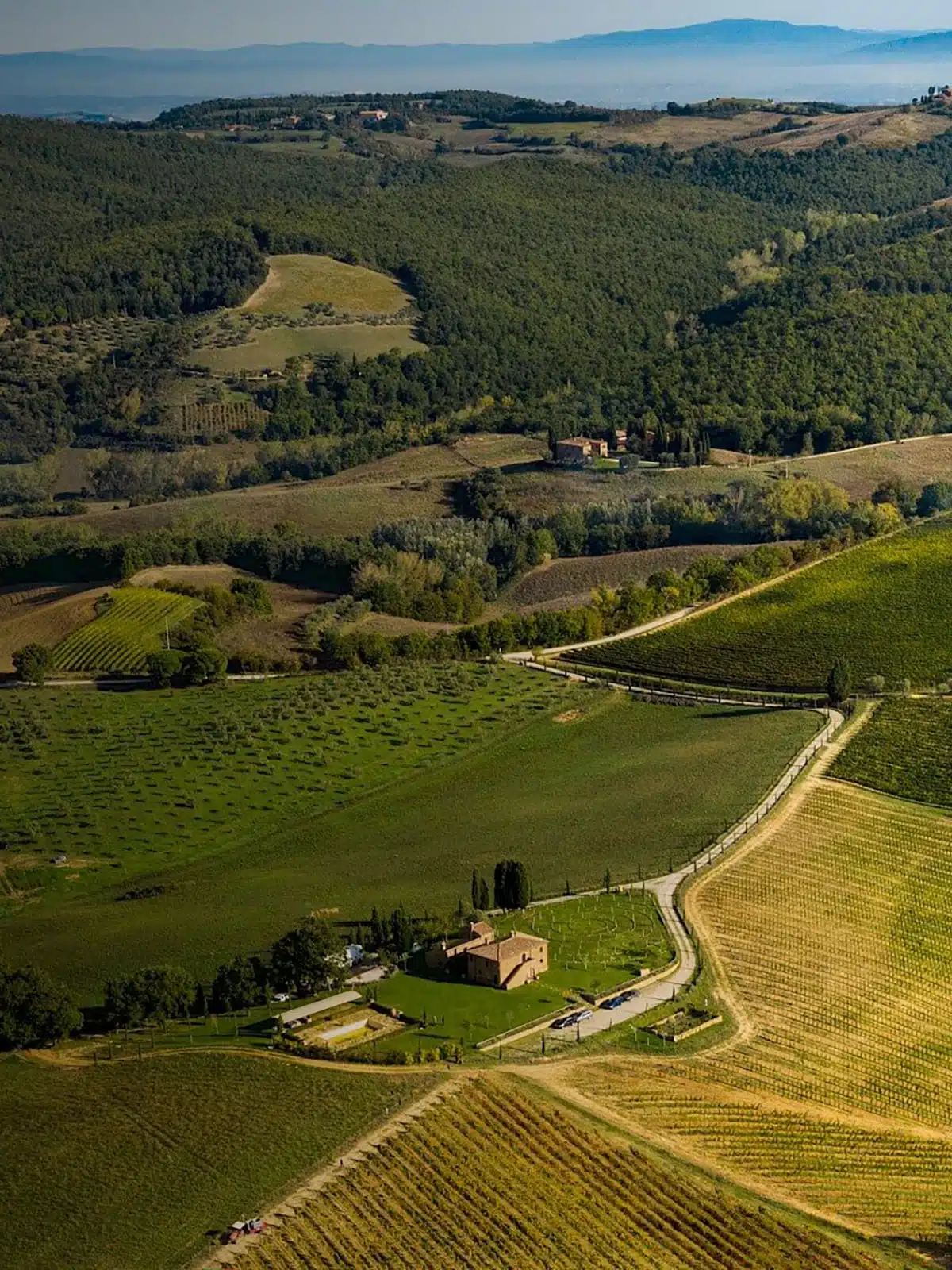
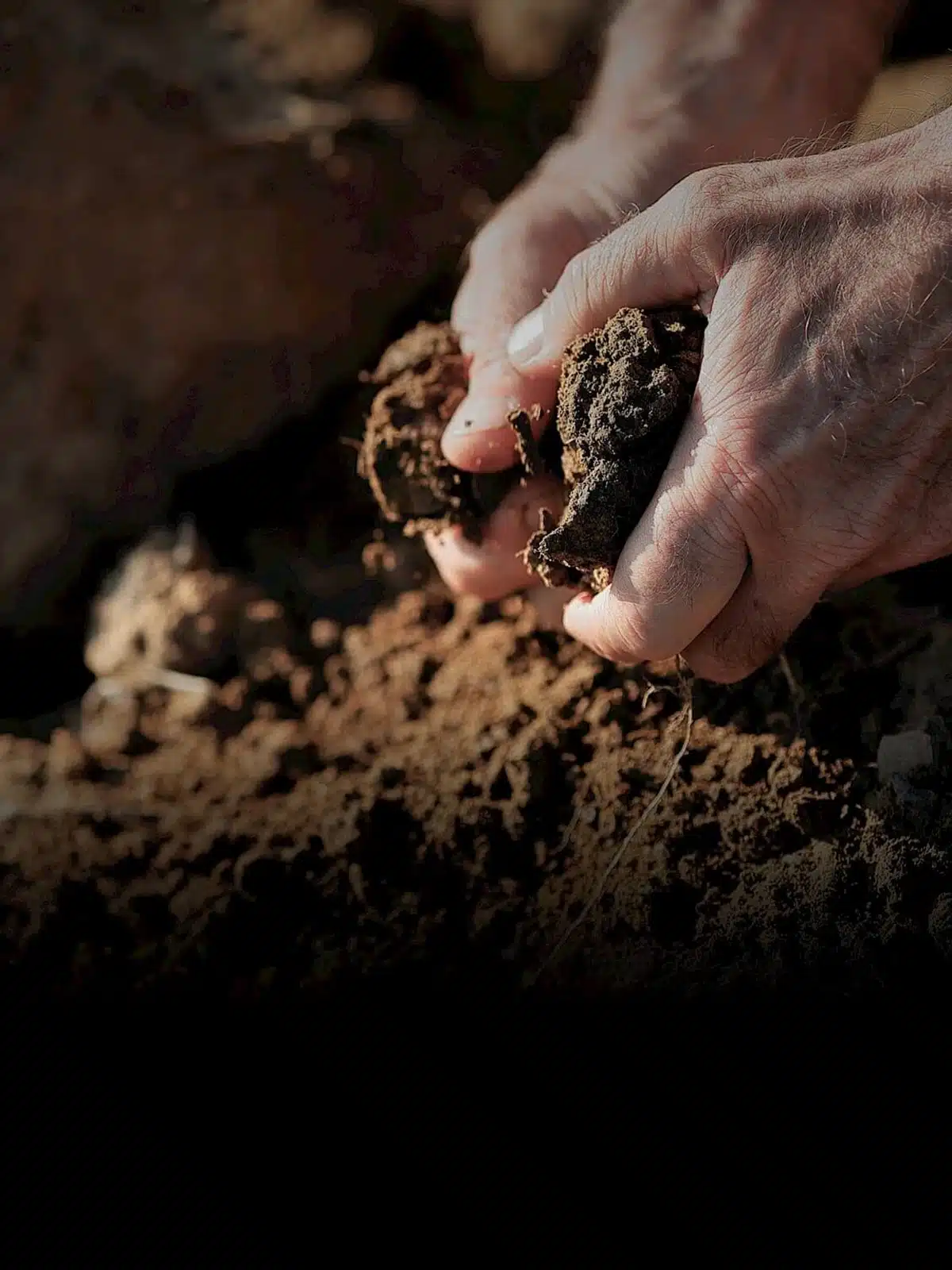
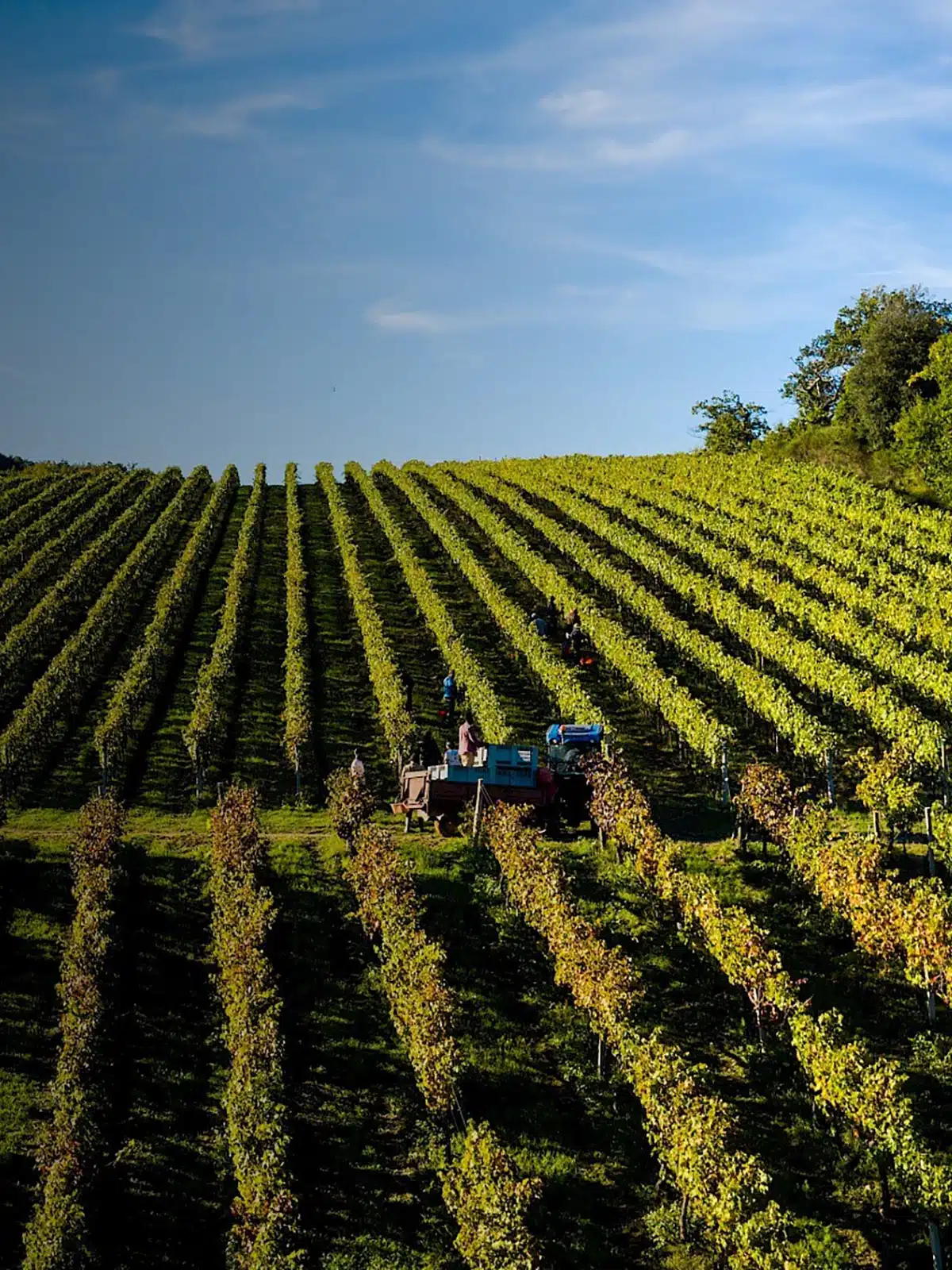
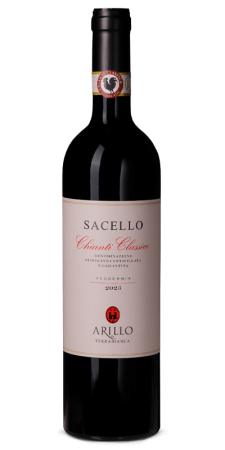
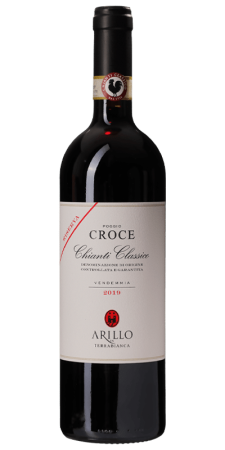
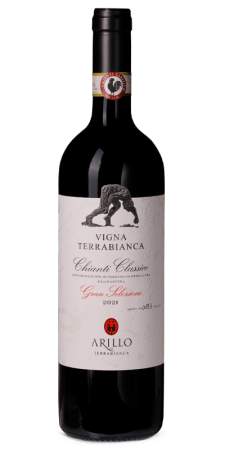
The most historic of the estates is located in the hamlet of San Fedele a Paterno, in the municipality of Radda in Chianti. Its name pays tribute to the soil, which is characterized by whitish patches — a true unicum in the Tuscan landscape. The estate has a southern exposure, nestled within a natural amphitheater at the foot of the northern hill of Vagliagli. It sits on a soil composed of galestro, clay, and stone, and is surrounded by one hundred and twenty-one hectares of woodland. The vineyards — twelve and a half hectares, planted entirely with Sangiovese — are situated at altitudes ranging from three hundred and fifty to four hundred and seventy meters above sea level, benefiting from significant diurnal temperature variations. This terroir gives rise to the estate’s three Chianti Classico wines: Sacello (Annata, from fifteen-year-old vines), Poggio Croce (Riserva, from twenty-year-old vines), and Vigna Terrabianca (Gran Selezione, from forty-year-old vines).
Tenuta Terrabianca, Chianti Classico.
The most historic of the estates is located in the hamlet of San Fedele a Paterno, in the municipality of Radda in Chianti. Its name pays tribute to the soil, which is characterized by whitish patches — a true unicum in the Tuscan landscape. The estate has a southern exposure, nestled within a natural amphitheater at the foot of the northern hill of Vagliagli. It sits on a soil composed of galestro, clay, and stone, and is surrounded by one hundred and twenty-one hectares of woodland. The vineyards — twelve and a half hectares, planted entirely with Sangiovese — are situated at altitudes ranging from three hundred and fifty to four hundred and seventy meters above sea level, benefiting from significant diurnal temperature variations. This terroir gives rise to the estate’s three Chianti Classico wines: Sacello (Annata, from fifteen-year-old vines), Poggio Croce (Riserva, from twenty-year-old vines), and Vigna Terrabianca (Gran Selezione, from forty-year-old vines).
Tenuta Terrabianca, Chianti Classico.
Tenuta Il Tesoro, Alta Maremma.
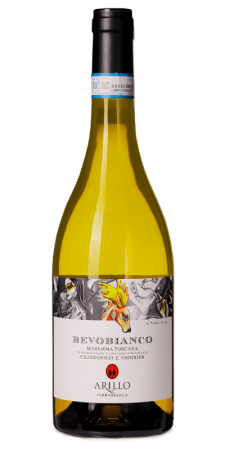
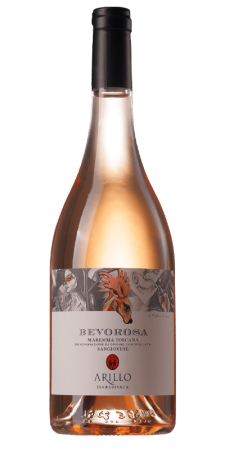
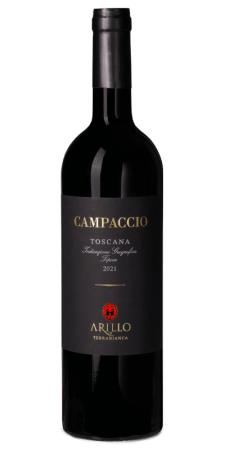
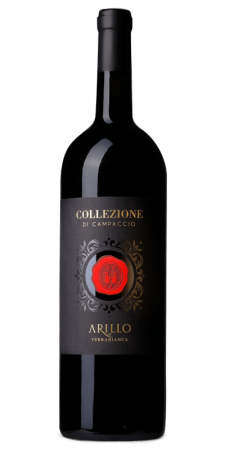
In the heart of the Upper Maremma, just a few kilometers from the medieval stronghold of Massa Marittima and within the Colline Metallifere UNESCO Global Geopark, lies Il Tesoro. The estate spans approximately one hundred and fifteen hectares, reaching altitudes of up to one hundred and forty meters. The agricultural landscape is beautifully diverse, with rows of vines alternating with centuries-old olive trees. Thirty-six hectares are planted to vines, mostly south-facing, benefiting from their proximity to the sea, constant breezes, and significant diurnal temperature variations. At Il Tesoro, Sangiovese grows alongside international varieties (Merlot and Cabernet Sauvignon) and more recent white grape plantings: Chardonnay, Viognier, and Vermentino. This terroir gives rise to the two Bordeaux-style IGT blends and the ‘Bevo’ line.
Tenuta Il Tesoro, Alta Maremma.
In the heart of the Upper Maremma, just a few kilometers from the medieval stronghold of Massa Marittima and within the Colline Metallifere UNESCO Global Geopark, lies Il Tesoro. The estate spans approximately one hundred and fifteen hectares, reaching altitudes of up to one hundred and forty meters. The agricultural landscape is beautifully diverse, with rows of vines alternating with centuries-old olive trees. Thirty-six hectares are planted to vines, mostly south-facing, benefiting from their proximity to the sea, constant breezes, and significant diurnal temperature variations. At Il Tesoro, Sangiovese grows alongside international varieties (Merlot and Cabernet Sauvignon) and more recent white grape plantings: Chardonnay, Viognier, and Vermentino. This terroir gives rise to the two Bordeaux-style IGT blends and the ‘Bevo’ line.