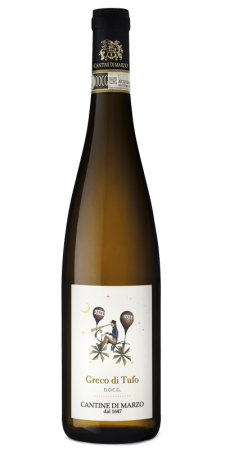
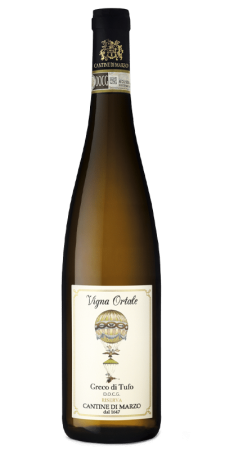
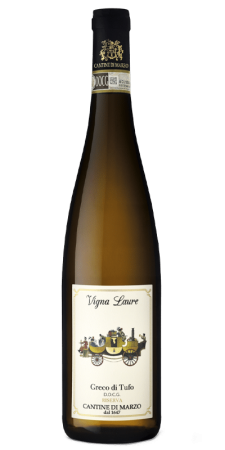
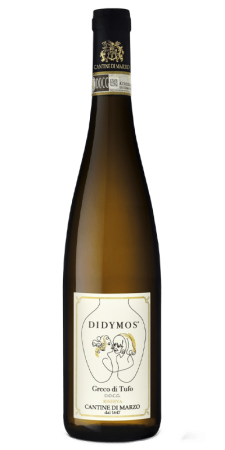
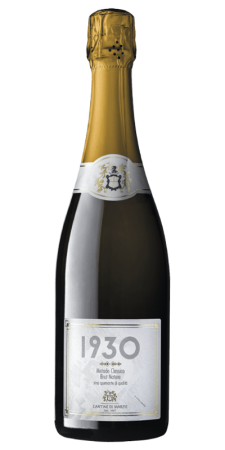
The Greco di Tufo that narrates four centuries of Campania’s history.
– CAMPANIA
Cantine di Marzo
The Greco di Tufo that narrates four centuries of Campania’s history.
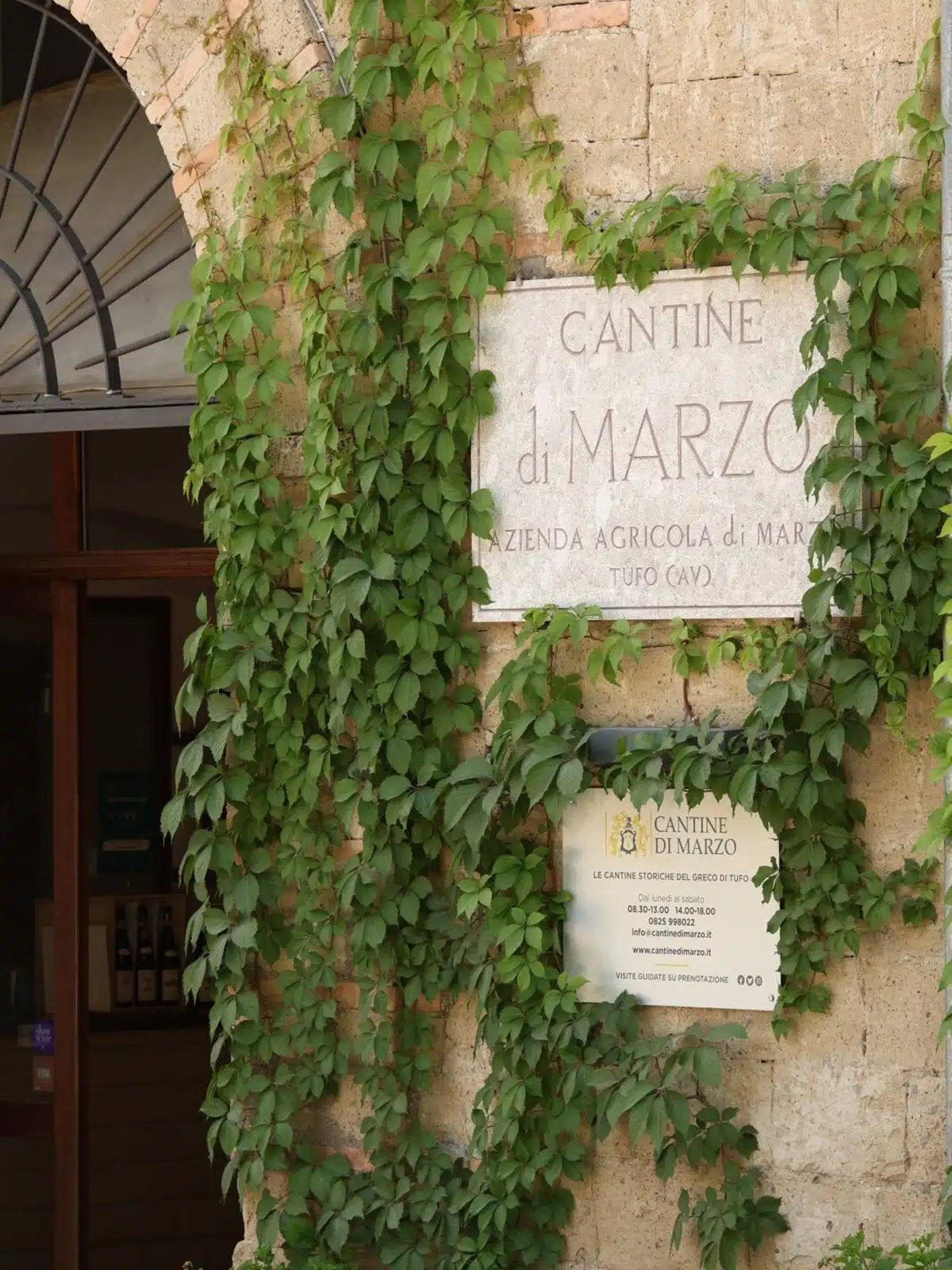
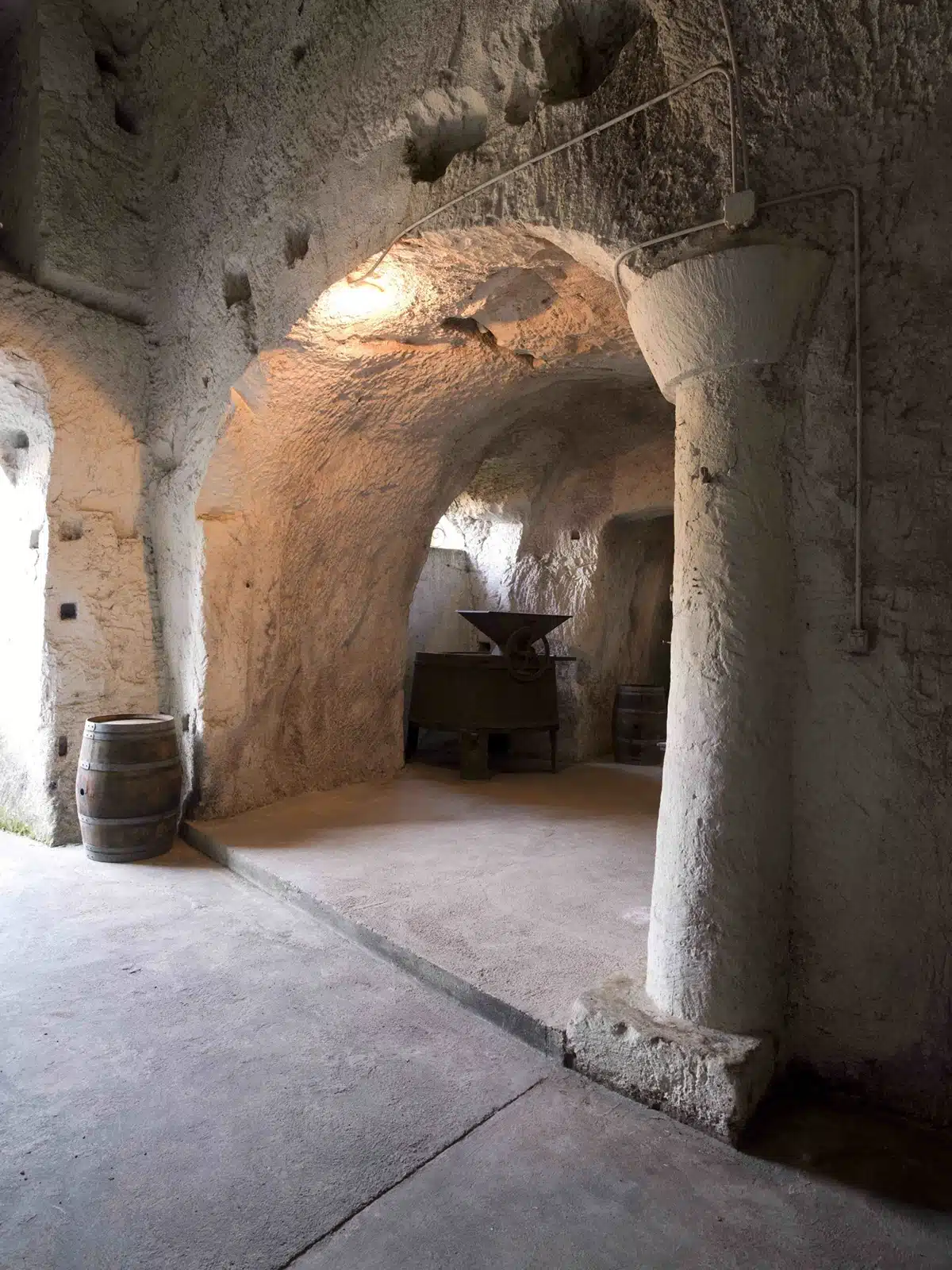
Cantine di Marzo is one of the historic landmarks of Campania winemaking, based in the municipality of Tufo, in the province of Avellino. The cellars span multiple levels, carved directly into the town’s tuffaceous tunnels, and rely on gravity for the natural movement of wine and must. This ancient method, kept fully intact, minimizes stress on the raw material during the winemaking process.
Cantine di Marzo is one of the historic landmarks of Campania winemaking, based in the municipality of Tufo, in the province of Avellino. The cellars span multiple levels, carved directly into the town’s tuffaceous tunnels, and rely on gravity for the natural movement of wine and must. This ancient method, kept fully intact, minimizes stress on the raw material during the winemaking process.
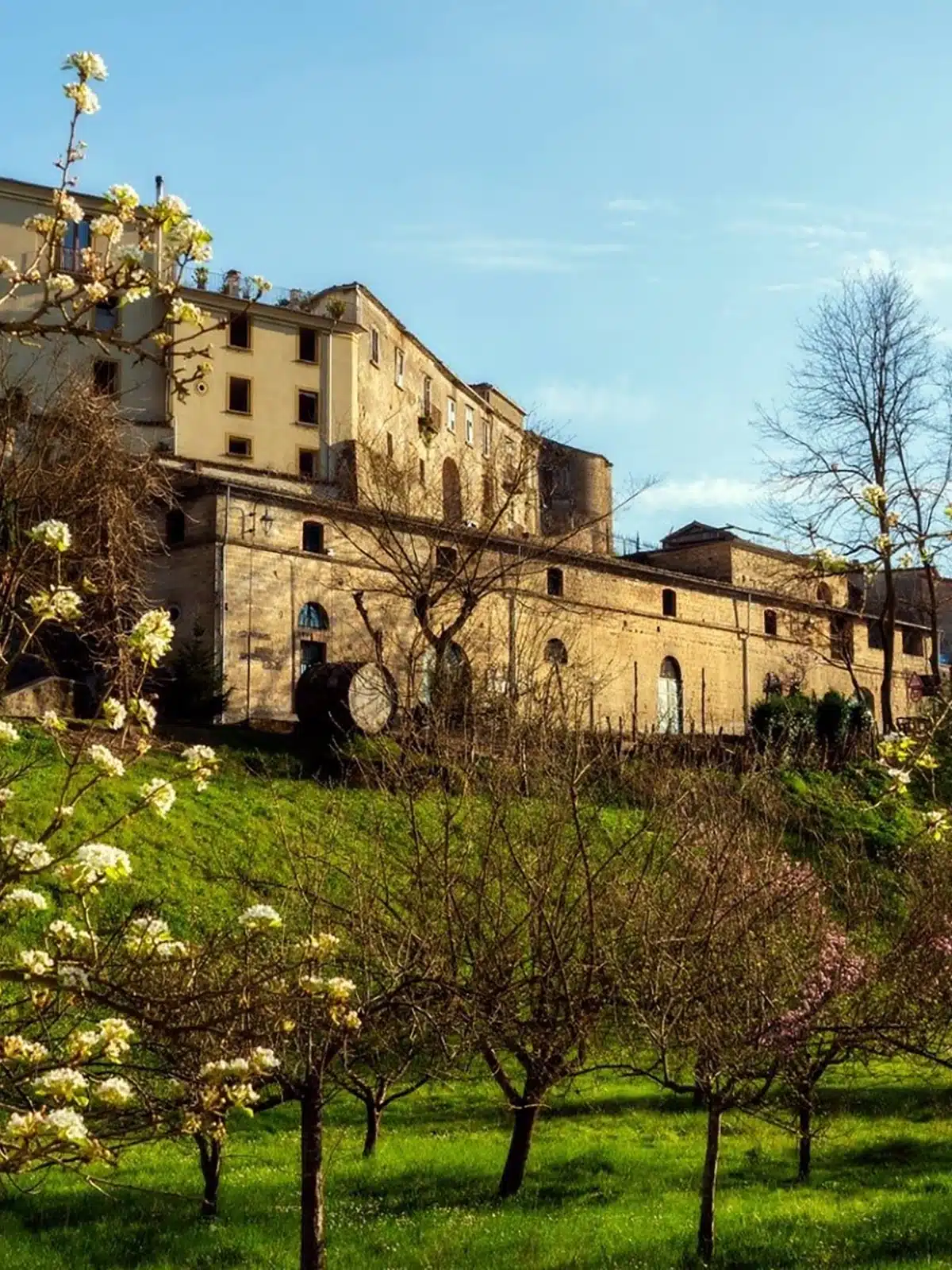
The di Marzo family arrived in Tufo in 1647: Scipione di Marzo left San Paolo Belsito to escape the plague sweeping across Europe, bringing with him a grape variety cultivated on the Campania coast — the Greco di Nola. In Tufo’s soils, the vine found a vocation it had not yet expressed on the coast: the mineral-rich subsoil gives the wine its signature sapidity. Construction of the family Palace began in 1648, incorporating the town’s ancient defensive walls and the historic cellars. After decades of dormancy, the winery came under the leadership of the di Somma family — direct descendants of the di Marzos — in 2009. They launched an ambitious revival program backed by significant investments.
A history dating back to 1647.
The di Marzo family arrived in Tufo in 1647: Scipione di Marzo left San Paolo Belsito to escape the plague sweeping across Europe, bringing with him a grape variety cultivated on the Campania coast — the Greco di Nola. In Tufo’s soils, the vine found a vocation it had not yet expressed on the coast: the mineral-rich subsoil gives the wine its signature sapidity. Construction of the family Palace began in 1648, incorporating the town’s ancient defensive walls and the historic cellars. After decades of dormancy, the winery came under the leadership of the di Somma family — direct descendants of the di Marzos — in 2009. They launched an ambitious revival program backed by significant investments.
A history dating back to 1647.
A new era with Ferrante di Somma.
Today, the company is led by Ferrante di Somma, who trained at the École Supérieure de Commerce in Dijon, Burgundy, holding a master’s degree in wine marketing and business.
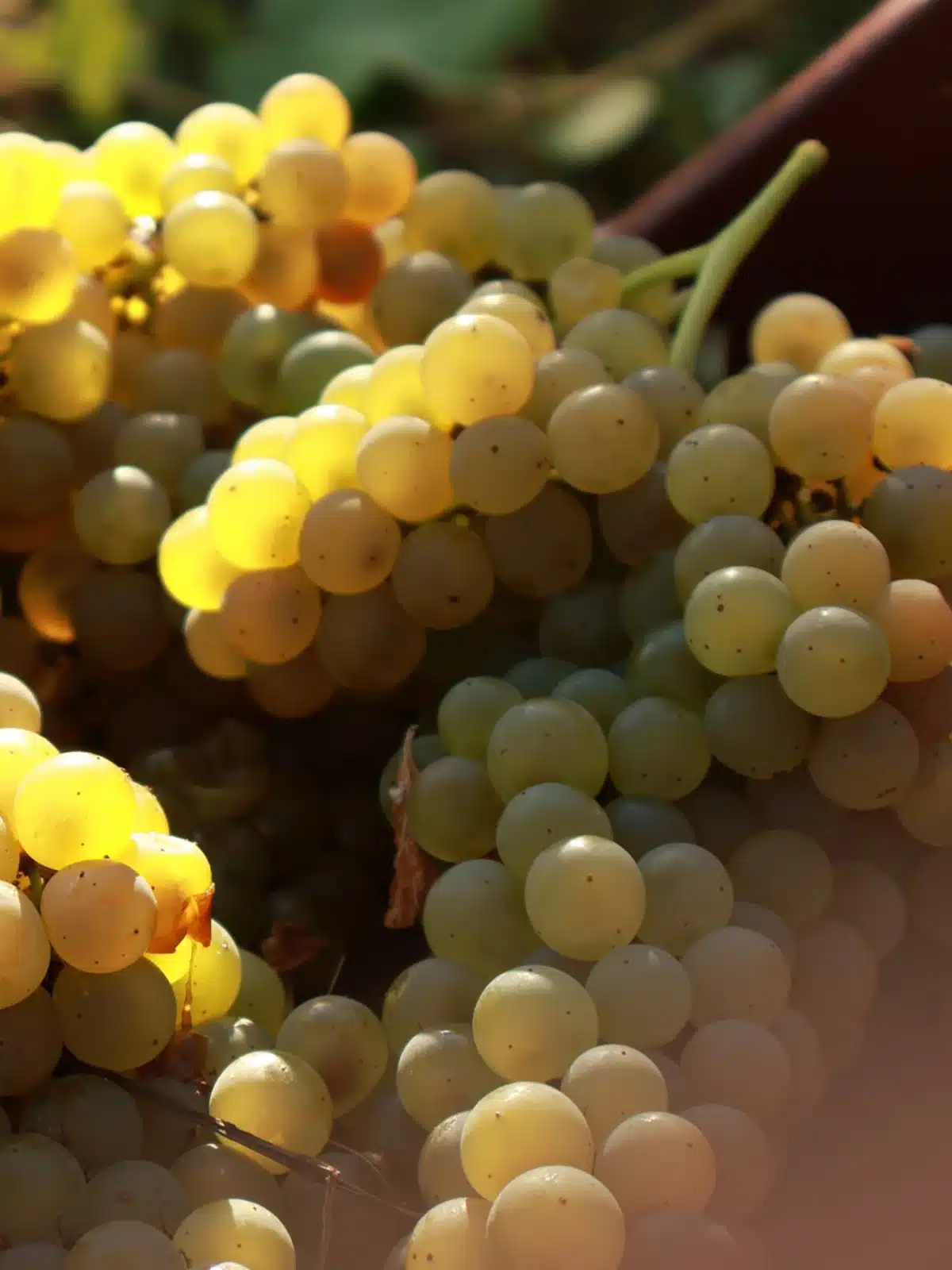
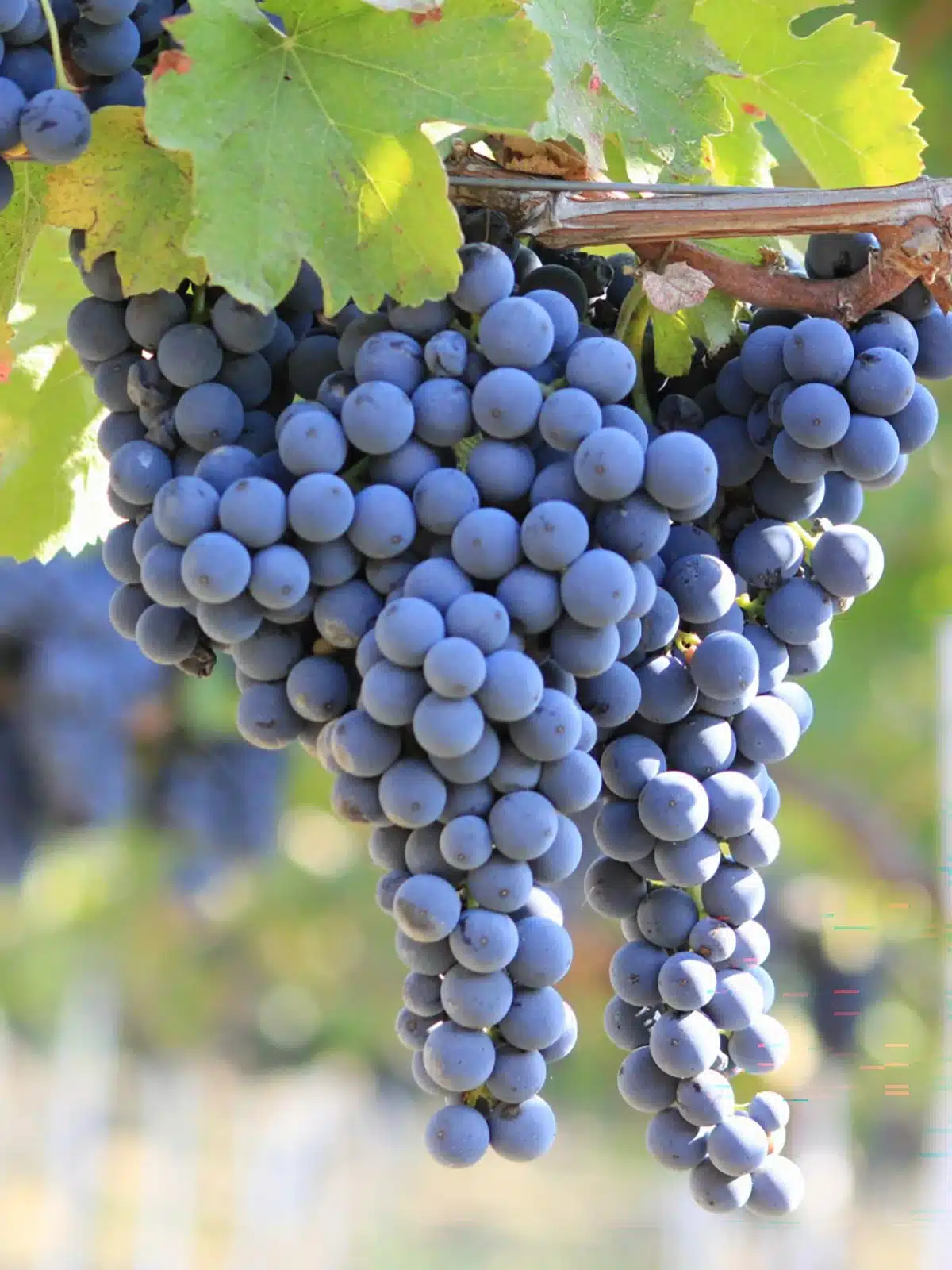
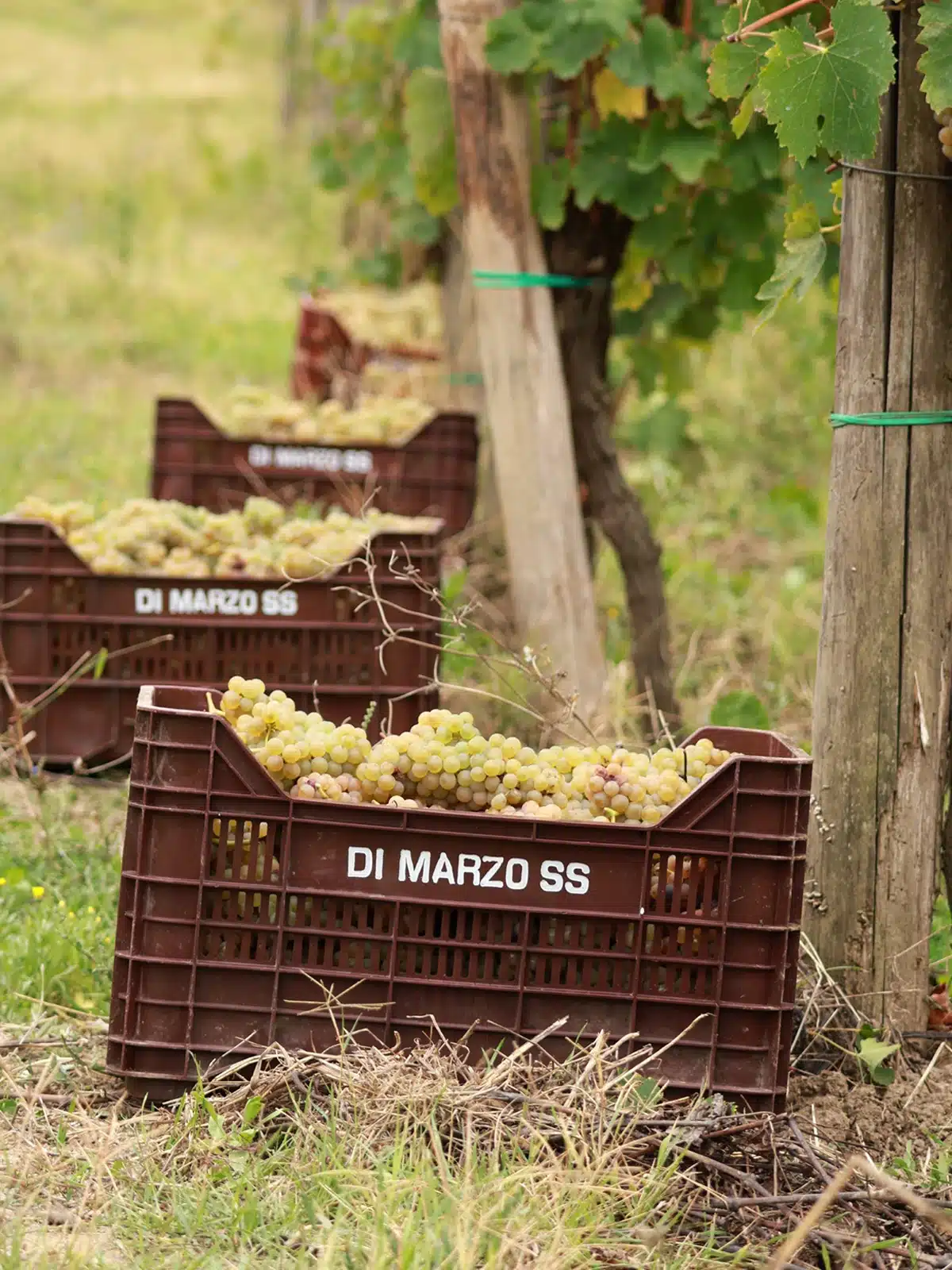
Upon returning from France, he launched a zoning project for Greco aimed at showcasing the unique characteristics of the Tufo terroir, creating four Greco di Tufo Cru wines: Vigna Serrone, Vigna Laure, Vigna Ortale, and Mulino Giardino. The winemaking is entrusted to Vincenzo Mercurio, one of the most renowned names in contemporary Italian oenology. The estate spans twenty hectares of proprietary vineyards, distributed between the hamlets of Santa Lucia and San Paolo, exclusively within the municipality of Tufo. The vineyards — planted with Greco di Tufo and Aglianico — are located in the highest and best-exposed areas of the territory, at altitudes ranging between 320 and 400 meters above sea level. The soils are clayey and sandy, with the presence of limestone rocks. In spring, before the pre-flowering stage, green manuring is practiced: the mowing and burying of cover crops, an ancient technique that restores nutrients to the soil.
A new era with Ferrante di Somma.
Today, the company is led by Ferrante di Somma, who trained at the École Supérieure de Commerce in Dijon, Burgundy, holding a master’s degree in wine marketing and business.
Upon returning from France, he launched a zoning project for Greco aimed at showcasing the unique characteristics of the Tufo terroir, creating four Greco di Tufo Cru wines: Vigna Serrone, Vigna Laure, Vigna Ortale, and Mulino Giardino. The winemaking is entrusted to Vincenzo Mercurio, one of the most renowned names in contemporary Italian oenology. The estate spans twenty hectares of proprietary vineyards, distributed between the hamlets of Santa Lucia and San Paolo, exclusively within the municipality of Tufo. The vineyards — planted with Greco di Tufo and Aglianico — are located in the highest and best-exposed areas of the territory, at altitudes ranging between 320 and 400 meters above sea level. The soils are clayey and sandy, with the presence of limestone rocks. In spring, before the pre-flowering stage, green manuring is practiced: the mowing and burying of cover crops, an ancient technique that restores nutrients to the soil.